
Mindful Longevity

Longevity is one of the most discussed topics in the modern health world. But true longevity has little to do with biohacking or anti-aging. In this article, we explain why mindful fitness , through exercise, nutrition, regeneration, and consistency, provides the crucial factors for a long and healthy life.
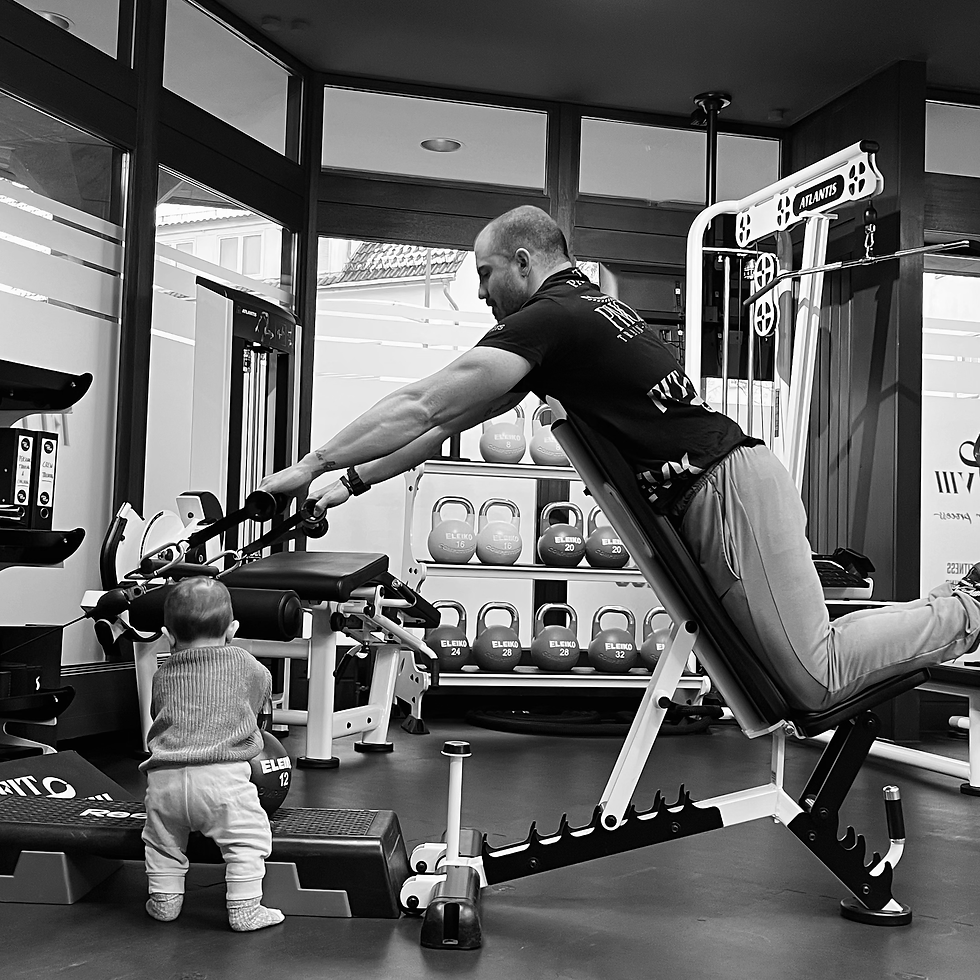
Healthy aging is more important than getting old.
The term "longevity" is currently popping up everywhere: in podcasts, documentaries, social media, and increasingly in the fitness and health industries. Many associate it with high-tech therapies, biohacking, or futuristic health optimization. But if you reduce the term to its core, it quickly becomes clear: longevity simply means being able to live long enough . And this is precisely where the first important distinction lies. Because longevity isn't about accumulating as many years as possible. It's much more about how those years are lived . A long life loses its significance if health, energy, and independence are lost early on. Longevity, therefore, primarily means one thing: remaining healthy, productive, and self-determined for as long as possible. Not existing for as long as possible—but truly living for as long as possible.
Longevity is the new mindfulness
In a conversation, someone once said a phrase that quite aptly describes the current trend: "Longevity is the new mindfulness." As with mindfulness, there's a risk here that a genuinely meaningful concept will become a buzzword without substance . Suddenly, everything seems to fall under the umbrella of longevity – from ice baths to dietary supplements to complex medical interventions.
It's easy to forget that the foundations of health have been known for decades. Exercise, nutrition, sleep, regeneration, and a stable social environment remain the crucial factors. Longevity, therefore, is not a single tool or a trick. Rather, it's a lifestyle spanning decades .

Staying fit instead of staying young
Many people associate longevity with the idea of staying young for as long as possible. But this very thought often leads us astray. Aging is a natural process. Experience, development, and maturity are all part of it. The goal, therefore, cannot be to completely halt the aging process. A different perspective is much more sensible: not staying young – but staying fit . In this context, fit doesn't just mean physical fitness. It also means mental clarity, emotional stability, and the ability to manage daily life independently. If a person is still active at 80 or 90, moving around, making decisions, and participating in social life, then that is an expression of true longevity.
Lifespan and Healthspan
A helpful concept for understanding longevity comes from physician and longevity researcher Peter Attia. He distinguishes between two terms: lifespan and healthspan . Lifespan simply describes life expectancy – how many years a person lives. Healthspan, on the other hand, describes the period during which those years are characterized by good health. Many people today achieve a relatively long lifespan, but at the same time experience their final years as being heavily impacted by illness, limitations, or the need for care. In this case, while lifespan is long, the healthspan is significantly shorter.
The real goal of longevity is therefore not to continually extend lifespan. Far more important is to postpone the period of healthy years as long as possible . Ideally, lifespan and healthspan should be as close as possible.
What threatens our health in old age
Several biological processes contribute to the decline in our physical performance over the course of our lives. A key factor is cellular aging . Our bodies consist of billions of cells that constantly need to renew and repair themselves. With increasing age, this ability gradually diminishes. Environmental factors, stress, lack of sleep, or poor diet can further accelerate this process.
Another crucial point is age-related muscle loss, known as sarcopenia . Muscle mass is far more than just an aesthetic factor. It stabilizes the body, supports metabolism, and ensures that everyday movements remain possible. Without sufficient muscle mass, even simple activities like getting up, walking, or climbing stairs become increasingly difficult. The cardiovascular system also plays a central role in maintaining good health. Cardiovascular diseases are among the leading causes of death worldwide. At the same time, research repeatedly shows that regular exercise and endurance training have a tremendous impact on heart health. Hormonal changes, alterations in the immune system, and inflammatory processes in the nervous system also contribute. All these factors lead to slower regeneration and reduced resilience. The good news, however, is that many of these processes can be influenced by lifestyle .
Consistency as a key
Anyone who delves into the topic of longevity will sooner or later encounter a simple yet crucial realization: there is no single hack that guarantees long-term health. No therapy, no supplement, and no technology can replace the fundamental principles of a healthy lifestyle. The most important factor is consistency .
Health doesn't arise from isolated actions, but from habits repeated over years and decades. Regular exercise, a conscious diet, sufficient sleep, and mindful stress management only unfold their effects over extended periods. Or, to put it another way: progress comes from a continuous process .

Movement as the foundation of longevity
Of all the factors that influence our health, exercise plays a special role. A physically active lifestyle supports almost every system in the body – from the cardiovascular system and metabolism to mental health. Strength training helps maintain or build muscle mass, thus counteracting age-related sarcopenia. At the same time, it improves insulin sensitivity and supports metabolism. Endurance training, in turn, strengthens the cardiovascular system, improves the oxygen supply to the cells, and supports the function of the mitochondria – those tiny powerhouses responsible for energy production in our cells. Exercise doesn't always have to be spectacular. Regular walks, climbing stairs, and an active daily routine are often important complements to personal training for long-term health.
Nutrition as the basis for cell health
Besides exercise, nutrition plays a central role in our long-term health. A balanced diet provides the body with the building blocks necessary for cell repair, energy production, and regeneration. Sufficient protein intake, fiber-rich foods, and essential fatty acids like omega-3 are particularly important. Vitamin D and various micronutrients also contribute to supporting metabolic processes and the immune system. In everyday life, this usually doesn't mean complicated dietary strategies, but rather conscious choices at mealtimes. Especially during stressful periods, it can be helpful to rely on simple, high-quality solutions, such as prepared meals, which make it easier to maintain a balanced diet in everyday life.
Regeneration, sleep and prevention
Another key component of mindful longevity is the body's ability to regenerate. Sleep plays a crucial role in this. During the night, numerous repair processes take place, hormones are regulated, and the immune system is strengthened. Conversely, long-term sleep deprivation negatively impacts almost all bodily systems – from mental performance to metabolism.
In addition to sleep, consciously used regeneration methods such as heat, cold, breathing exercises, or meditation can also be beneficial. They help the body reduce stress and maintain its natural adaptability. Furthermore, regular health checkups are becoming increasingly important. Modern diagnostics now make it possible to identify many risk factors early and react accordingly before serious illnesses develop.
Longevity is a long-term process.
Perhaps the most important insight ultimately lies in a simple perspective: Longevity is not a short-term project. It's not about rapid optimization or extreme measures. Rather, it's about making decisions over many years that support health, performance, and quality of life—in short , mindful fitness . Longevity, therefore, doesn't mean fighting the aging process. It means consciously guiding it and nurturing one's own resources in such a way that health is maintained for as long as possible.
Or, put simply: Longevity doesn't mean living as long as possible. Longevity means living as long and healthy a life as possible.
We hope you found this post helpful and look forward to hearing your questions or feedback. See you soon at FIT VIII and take care!


Comments